
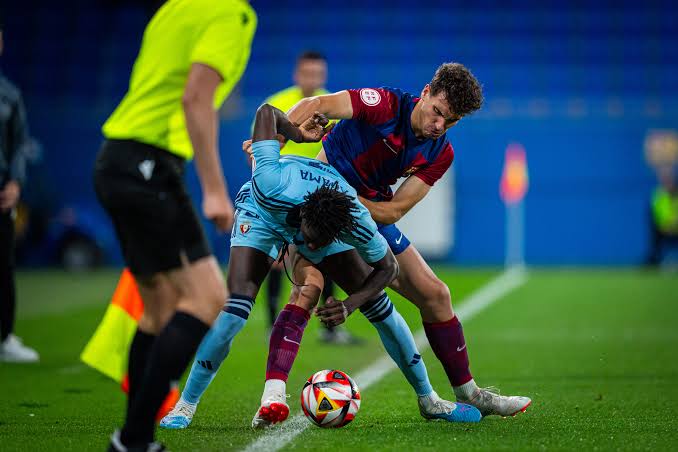
Imagining a World Cup with no human referees on the pitch is not just a thought experiment about technology; it is a way of asking how much of our live viewing experience depends on human judgement, visible authority, and the rhythm created by their decisions. As VAR and semi-automated offside systems take on more responsibility in elite football, the logical end point is a tournament where AI and remote teams make every call, with humans reduced to operators behind the scenes rather than figures in the centre circle. Thinking through that scenario forces you to consider how it would affect what you look for during live matches—where you expect fouls to be given, how you interpret momentum swings, and whether you trust what you are seeing on screen as much as you currently do.
How Today’s Technology Has Already Shifted the Refereeing Baseline
To understand a future with no human on-field officials, you first have to recognise how much technology has already changed the reference point for refereeing in top-level football. Systems like VAR and semi-automated offside technology have pushed decision accuracy towards the high nineties in percentage terms, even if they have also introduced delays, replays, and new forms of controversy. When you watch a World Cup game now, you are already seeing a hybrid model: the referee is visible and in charge of the flow, but key moments—goals, penalties, straight reds—are increasingly underwritten by technology in the background.
What Fully Automated On-Field Decision-Making Might Look Like
In a fully automated scenario, sensors, tracking systems, and AI models would detect offsides, fouls, handballs, and out-of-play events without needing an on-field referee to blow a whistle or raise a flag. That could mean wearables in players’ kits, ball-integrated chips, and multi-camera arrays feeding data into central systems that instantly trigger stoppages or display decisions on stadium screens, with minimal human intervention. For viewers, especially at a World Cup, the most noticeable change would be the absence of a human focal point for authority and communication on the pitch; decisions would appear as signals and graphics rather than gestures and whistles, altering the way you track and anticipate interruptions during the game.
Watching “ดูบอลสด” When Every Call Comes From a System
If you were watching ดูบอลสด in a world where all on-field decisions came from automated systems, your attention would likely shift towards how consistent and transparent those systems feel over ninety minutes rather than whether a particular referee “has lost control” of the match. You might find yourself listening less for a whistle and watching more for on-screen indicators, stadium light cues, or haptic signals in companion apps that confirm fouls, offsides, or advantage plays, which changes the sensory cues you rely on to read match flow. Over time, your trust would depend on how often the system produces decisions that align with what you and other viewers consider reasonable based on replays and slow-motion angles; long stretches of invisible, consistent calls might fade into the background, but a few high-profile “unfair” outcomes could quickly shape fan acceptance across a whole tournament.
Where Automated Systems Could Improve Flow and Tactical Clarity
One of the strongest arguments for automation is that it could remove certain forms of human error and bias that affect both fairness and the tactical story of a match. Semi-automated offside technology has already shown that tracking 29 data points per player and the ball can produce faster and more consistent offside decisions than humans drawing lines by hand, reducing the time players and fans spend waiting for a verdict. In a fully automated system, you could imagine even more immediate restarts after marginal offsides or tight goal-line calls, which would preserve attacking momentum and make it easier for viewers to follow pressing patterns, transition opportunities, and territorial dominance without frequent, uncertain pauses.
Conditional Scenarios: When Automation Helps and When It Hurts
The benefits of automation would likely be most visible in objective situations—offsides, ball out of play, goal-line decisions—where sensors and tracking data can resolve questions faster and more precisely than human eyes. However, many of the decisions that shape the feel of a World Cup match are subjective: how much contact constitutes a foul, when to give advantage, or what level of physicality is acceptable in the context of a particular game. If automated systems try to hard-code those thresholds, you might see matches where minor contacts are punished relentlessly or let go too easily, producing a style of play that feels disconnected from what players and fans intuitively expect, even if the rulebook is applied consistently.
How Removing On-Field Referees Would Change Tactical Risk and Game Management
Referees do more than enforce the rules; their style influences how teams manage risk, time-waste, and tactical fouling across a match. Coaches and players often calibrate their pressing aggression, counter-attacking transitions, and set-piece routines based on how strictly a referee punishes certain behaviours, which in turn influences the tempo and physical tone you see as a viewer. If every decision were automated and perfectly consistent, teams might push tactical fouling and physical duels right up to the known threshold of the system, creating matches that are more predictable in terms of enforcement but potentially more calculated and less fluid in terms of spontaneous, context-dependent leniency.
Table: Human Referees vs. Fully Automated Systems From a Viewer’s Perspective
When you compare human and automated refereeing for World Cup viewing, the question is not simply which is “better,” but how each changes what you notice about fouls, momentum, and tactical choices. The table below contrasts their main strengths and weaknesses to show where fan acceptance is likely to be tested if on-field officials disappear entirely.
| Aspect | Human referees on the pitch | Fully automated on-field decisions |
| Decision accuracy in clear, reviewable incidents | High with VAR support but still prone to occasional errors | Very high in objective cases like offside and goal-line calls |
| Perceived fairness and emotional connection | Mixed: human error frustrates fans but allows empathy and narrative | Depends on trust in the system; feels fair if transparent but distant if opaque |
| Match flow and rhythm | Subject to stoppages for reviews and discussion on the pitch | Potentially smoother for objective calls but at risk of rigid, over-frequent whistles triggered by strict thresholds |
From a viewer’s angle, this comparison shows why a fully automated World Cup might feel technically fairer yet emotionally thinner, especially if stadium communication and broadcast graphics do not clearly explain each decision. Acceptance would hinge on whether fans feel that the system respects the spirit of the game as much as the letter of the law, preserving a sense of flow, contest, and human drama rather than turning matches into a series of machine-enforced episodes.
Practical Checklist: What to Watch For in a Highly Automated World Cup Match
If technology continues to take over more decision-making, your approach to watching live games will need to adapt so that you focus on how the system shapes tactics and momentum instead of only reacting to individual calls. Using a simple checklist can help you track those effects over the full ninety minutes of a World Cup match.
- In the opening stages, pay attention to how quickly the system stops play for offsides and fouls, and whether those timings affect pressing intensity or the willingness of defenders to hold a high line.
- When a contentious incident occurs, observe how clearly the decision is communicated on screen or in-stadium, and whether players adjust their behaviour afterwards in ways that suggest they understand the thresholds being applied.
- Around half-time, reflect on whether automation has made the match feel smoother or more disjointed, and consider how that perception aligns with the number and type of stoppages you have seen.
- In the final 20 minutes, watch for strategic fouls, time management, and penalty-area duels to see if teams are testing the system’s boundaries or playing more cautiously because they expect strict enforcement every time.
- After the match, compare your intuitive sense of fairness with replays and post-match explanations, asking whether you would have trusted the same calls from a human referee or if automation changed your tolerance for error.
Approaching matches this way turns the presence—or absence—of human referees into part of your tactical reading, because you start to see how enforcement style interacts with pressing, aggression, and positional risk over the full course of a tournament. Over several World Cup games, patterns in how the system behaves will become as familiar as individual referees once were, and your acceptance will grow or shrink based on whether those patterns support the kind of flow and contest you associate with high-level ดูบอลสด changy.
Summary
A World Cup without human referees on the pitch would not just replace whistles with algorithms; it would reshape how you experience flow, fairness, and tactical risk every time you sit down to watch a match. While automation promises faster and more accurate decisions in objective situations, it also risks flattening the emotional texture of the game and turning subjective judgements into rigid thresholds that may not always align with fan expectations. Whether supporters ultimately accept such a tournament will depend on how clearly decisions are communicated, how well the system preserves match rhythm, and whether the football still feels like a human contest rather than a technical demonstration with players moving inside an invisible rule engine.