
The landscape of instant messaging applications continues to evolve, and many users are exploring different platforms to find the best fit for their communication needs. As people transition between messaging services, understanding the security features and best practices becomes essential for protecting personal information and maintaining privacy in digital conversations.
Understanding the Transition from Telegram Chinese to WhatsApp
When users decide to switch from Telegram Chinese messaging platforms to WhatsApp, they often seek a more widely adopted application with robust end-to-end encryption. The WhatsApp Web Version Login process offers desktop accessibility, allowing users to send messages, share files, and manage conversations directly from their computers. This convenience comes with the responsibility of understanding proper security protocols to safeguard accounts from unauthorized access.
The Telegram Chinese application has served millions of users with its feature-rich interface and cloud-based messaging system. However, many individuals prefer WhatsApp’s integration with phone numbers and its straightforward approach to secure messaging. The transition requires users to familiarize themselves with WhatsApp’s unique security architecture, particularly when accessing the service through web browsers.
Essential Security Measures for WhatsApp Web Version Login
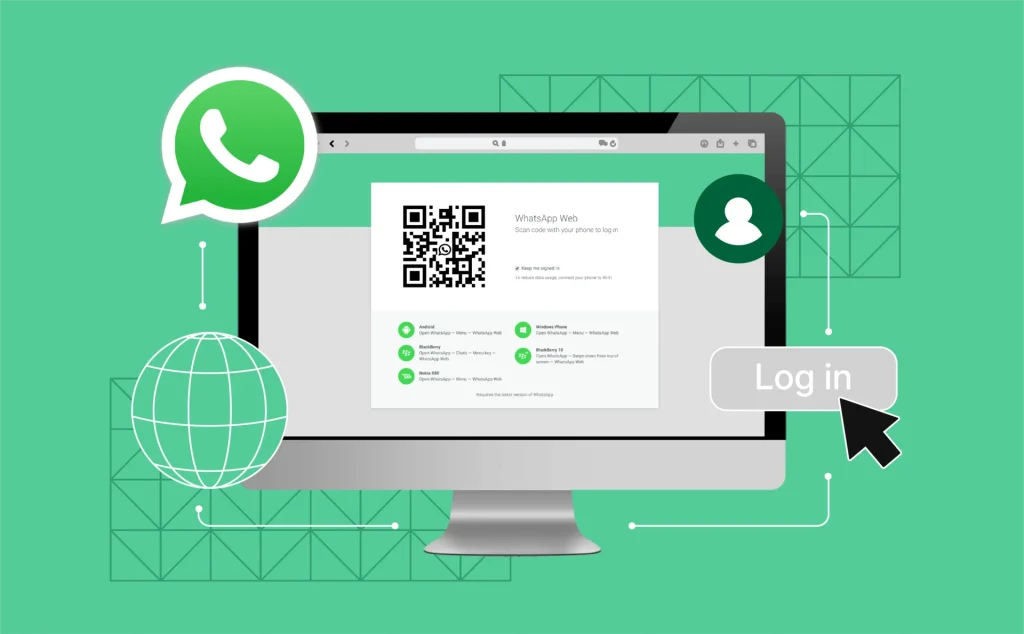
Protecting your account begins with understanding how the Whatsapp网页版登入 system operates. Unlike traditional username and password combinations, WhatsApp uses QR code authentication to connect your mobile device with the web browser. This method creates a secure bridge between devices, but it requires vigilance to prevent unauthorized scanning of login codes.
First and foremost, users should always verify they are visiting the official WhatsApp website before initiating the login process. Phishing websites designed to mimic the legitimate WhatsApp interface can steal your QR code information and compromise your account. Type the URL directly into your browser or use bookmarked links to ensure authenticity.
When completing the WhatsApp Web Version Login, never allow others to view your screen during the QR code scanning process. The code serves as a temporary key to your account, and anyone with physical or visual access to it could potentially gain entry to your private conversations. If you suspect someone has viewed your QR code during login, immediately log out of all web sessions through your mobile device settings.
Comparing Security Features Between Platforms
Users transitioning from Telegram Chinese applications will notice several differences in security approaches. While Telegram offers optional secret chats with self-destruct timers, WhatsApp applies end-to-end encryption to all conversations by default. This means every message, call, photo, and video shared through WhatsApp receives automatic encryption protection without requiring users to activate special modes.
The desktop experience also differs significantly. Telegram allows multiple simultaneous sessions across various devices with cloud synchronization, whereas WhatsApp limits active web sessions and requires the primary phone to maintain internet connectivity. This design choice enhances security by ensuring the mobile device acts as the authentication gateway for all web access attempts.
Understanding these fundamental differences helps users appreciate why the WhatsApp Web Version Login process requires mobile device proximity and active connection. The architecture prevents independent web sessions that could operate without the account owner’s knowledge, reducing the risk of unauthorized access even if login credentials were somehow compromised.
Advanced Protection Strategies for Daily Use
Beyond the basic login procedures, several advanced strategies can significantly enhance account security. Enable two-step verification on your WhatsApp account to add an extra layer of protection. This feature requires a six-digit PIN in addition to the standard verification code when registering your phone number with WhatsApp, making it substantially harder for attackers to hijack your account.
Regular monitoring of active sessions proves crucial for maintaining security. WhatsApp provides a feature within mobile settings that displays all currently logged-in web and desktop sessions. Review this list frequently and immediately disconnect any unrecognized devices. If you used WhatsApp Web Version Login on a public or shared computer, always remember to log out properly before leaving.
Former Telegram中文 users should also adjust their privacy settings within WhatsApp to control who can see profile information, status updates, and last seen timestamps. These granular controls allow customization of visibility based on individual privacy preferences, ensuring that personal information remains accessible only to intended contacts.
Best Practices for Public and Shared Computer Usage
When circumstances require using the WhatsApp Web Version Login feature on computers you don’t personally own, extra precautions become necessary. Public libraries, internet cafes, and shared office computers present elevated security risks due to potential keyloggers, screen recording software, or simply the next person who uses the machine.
If you must access WhatsApp Web from a public terminal, utilize the browser’s private or incognito mode. This prevents the storage of cookies, cached data, and browsing history that could contain sensitive information. Additionally, always select the option to uncheck “Keep me signed in” during the login process, ensuring the session expires when you close the browser.
After completing your tasks, manually log out through the WhatsApp Web interface rather than simply closing the browser window. For added security, also log out the web session from your mobile device by navigating to WhatsApp Settings, selecting Linked Devices, and removing the recent session. This double verification ensures complete disconnection.
Conclusion
Transitioning from Telegram Chinese platforms to WhatsApp requires understanding new security protocols, particularly regarding the WhatsApp Web Version Login system. The QR code authentication method provides convenient desktop access while maintaining robust security standards, but only when users implement proper safeguards and remain vigilant against potential threats.
By following the security tips outlined in this guide, users can confidently enjoy WhatsApp’s web features without compromising their privacy or account integrity. Regular monitoring of active sessions, careful attention during the login process, and thoughtful use of privacy settings create multiple layers of protection. Whether accessing WhatsApp from personal devices or shared computers, maintaining security awareness ensures that conversations remain private and accounts stay secure throughout the transition from other messaging platforms.