
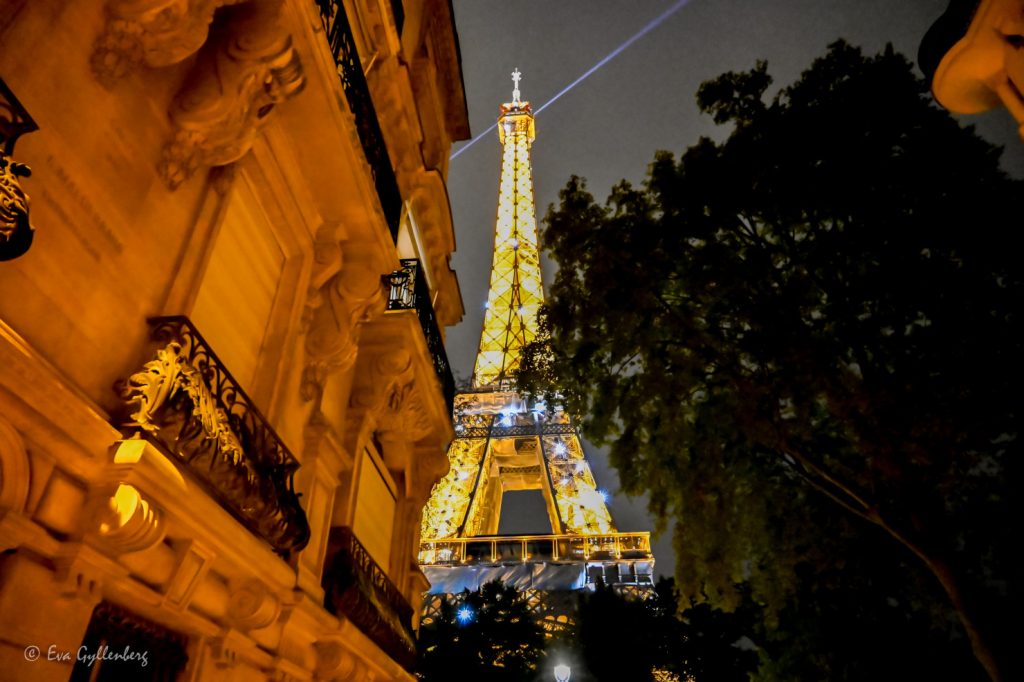
Paris is one of the most visited cities in the world, and for many travelers the first image is always the same: the Eiffel Tower, broad avenues, river views, and famous monuments that have been repeated in films, guidebooks, and social media for decades. These places deserve attention, but they do not explain the whole city. Paris becomes more interesting when the trip moves away from the most obvious route and toward districts, streets, and public spaces where the city feels less staged and more lived.
That is why a more rewarding visit often begins not with the question of what is most famous, but with what reveals the city’s structure, memory, and daily rhythm. A person may pass from a quiet canal to a hilltop street, then into a local market or a small museum, and even notice references from digital leisure culture, such as playtech adventures beyond wonderland live, without losing sight of the real point: Paris is strongest when it is approached as a set of layered neighborhoods rather than a list of headline sights. If you want more than the Eiffel Tower, you need to look for places where the city’s character is not simplified for quick recognition.
Why the Standard Route Hides Too Much
The classic Paris itinerary is efficient, but it often creates a narrow understanding of the city. It highlights power, prestige, and visual symbols, yet it leaves out many of the spaces where Paris becomes more complex and memorable. A trip focused only on the largest monuments can produce admiration without real connection.
This happens because the standard route tends to privilege scale over texture. Large landmarks are easy to identify and easy to photograph, but they do not always show how the city works. Paris is not only a city of monuments. It is also a city of neighborhoods with distinct social histories, local habits, and different architectural rhythms. To understand Paris better, it is useful to spend time in places where movement slows down and observation becomes more detailed.
This does not mean rejecting famous sites. It means refusing to let them define the entire trip.
Canal Saint-Martin Shows a More Lived Paris
If you want a side of Paris that feels less ceremonial and more grounded in everyday life, Canal Saint-Martin is a strong place to begin. The area offers a different urban mood from the center around the major monuments. The pace is slower, the scale feels more human, and the social life unfolds in a more relaxed way.
What makes this area valuable is not only the canal itself, but the pattern of life around it. People gather there without the pressure of formal sightseeing. Streets nearby combine cafés, local shops, residential buildings, and casual movement. This makes the area useful for a first-time visitor who wants to see how Paris functions outside its grand image.
The canal also reveals an important truth about the city: some of its most memorable spaces are not the most monumental. They are the ones where infrastructure, leisure, and neighborhood life meet in a balanced way.
The Marais Offers More Than Surface Beauty
The Marais is often recommended, but it should not be reduced to a pretty district for walking and shopping. It matters because it condenses several layers of Parisian history into a compact urban setting. Aristocratic buildings, older street patterns, Jewish cultural history, museums, and active public spaces all coexist here.
This makes the Marais one of the best areas for travelers who want more than a symbolic Paris. It allows the visitor to move through streets that feel visually rich while also carrying social and historical depth. The district rewards walking without a strict schedule. A person may move from a square to a courtyard, from a museum to a bakery, from a quieter lane to a busy street, and begin to feel the city as an active system rather than a fixed postcard.
The Marais also shows how Paris can be elegant without losing density. It does not feel empty or purely decorative. It remains urban in the strongest sense.
Belleville Gives Access to a More Mixed and Contemporary City
For those who want to see a Paris that feels less polished and more socially layered, Belleville is essential. This is one of the areas where the city’s diversity becomes visible in everyday form. The streets, food culture, viewpoints, and social mix offer a version of Paris that differs sharply from the central image most tourists know.
Belleville matters because it interrupts the idea that Paris is only about order and refinement. It shows the city as dynamic, changing, and shaped by migration, work, and local community. This part of Paris may not match traditional travel fantasies, but it often leaves a stronger impression because it feels less filtered.
The hilltop views in Belleville also provide one of the clearest examples of how a less obvious place can deliver one of the city’s most satisfying experiences. Instead of standing in a famous queue, the visitor gets both perspective and atmosphere.
Smaller Museums and House Museums Add Real Depth
Paris is known for major museums, but a richer trip often includes smaller institutions that create a more focused encounter with art, literature, or domestic history. House museums and less central collections allow visitors to understand Paris through scale and intimacy rather than through crowds and spectacle.
These places are useful because they change the rhythm of the day. After moving through busy streets and public spaces, a smaller museum creates concentration. It gives form to the city’s intellectual life in a quieter way. Instead of trying to consume everything, the visitor can stay with one idea, one period, or one personal history.
This kind of stop often strengthens the trip more than another major landmark, because it creates memory through attention rather than through visual overload.
Parks, Passages, and Side Streets Complete the Picture
Paris becomes more meaningful when public gardens, covered passages, and secondary streets are treated as destinations rather than accidents between major stops. A park offers more than rest. It shows how the city organizes public life. A passage offers more than charm. It reveals an older commercial logic. A side street can say more about the city’s real scale than a grand boulevard.
These smaller urban experiences matter because Paris is built through sequence. Its meaning is not contained in one place. It emerges through transitions: from noise to quiet, from open square to narrow lane, from formal facade to hidden courtyard.
How to Build a Less Predictable Paris Route
A stronger Paris itinerary might begin in one well-known district for orientation, then quickly shift toward one or two neighborhoods with distinct identities. Combine a canal or hilltop area with a smaller museum, a local food stop, and a long walk through side streets rather than moving only between monumental points. The goal is not to see less. It is to see with more precision.
Conclusion
Paris beyond the usual routes is a city of neighborhoods, textures, and social layers that reveal far more than the Eiffel Tower alone. Canal Saint-Martin shows a lived Paris, the Marais offers historical depth, Belleville reveals a more mixed and contemporary city, and smaller museums, parks, and side streets complete the experience.
The city becomes memorable when it stops being only a symbol and starts feeling like a place with many internal worlds. That is the Paris worth seeking: not the one that confirms expectations, but the one that expands them.