
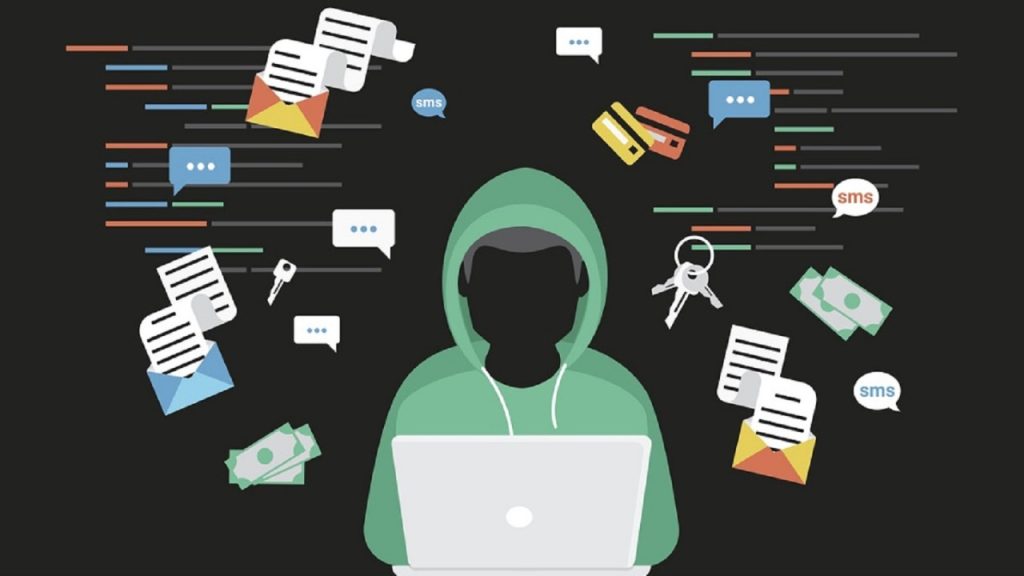
Cybersecurity has become one of the most important priorities in today’s digital world. Businesses, governments, and individuals rely heavily sharkshop on online platforms for communication, banking, shopping, healthcare, and daily operations. While technology has made life more convenient, it has also created opportunities for cybercriminals to steal, misuse, and profit from sensitive information.
Over the years, underground cybercrime marketplaces such as Sharkshop have demonstrated how stolen information can be commercialized and distributed among criminals. Although platforms associated with illegal cyber activity may rise and disappear over time, they represent a broader trend in the evolution of cyber threats. These marketplaces have shown how stolen credentials, payment information, and personal data can fuel identity theft, financial fraud, and large-scale cyberattacks.
Understanding the lessons learned from these underground ecosystems helps organizations and individuals strengthen their cybersecurity strategies and reduce the risks associated with data breaches.
Understanding Underground Cybercrime Markets
Underground cybercrime markets operate as hidden platforms where criminals exchange stolen information, compromised accounts, malware, and other illegal digital goods. Rather than carrying out every stage of a cyberattack themselves, many cybercriminals specialize in specific tasks.
Some groups focus on stealing information through phishing attacks or malware. Others organize and sell the stolen data, while separate buyers use that information for fraud, account takeovers, or additional cyberattacks. This specialization has transformed cybercrime into an organized ecosystem where stolen information has significant financial value.
Sharkshop became widely known as one example of how these marketplaces enabled criminals to buy and sell compromised financial information. Although law enforcement efforts have disrupted many similar operations, the methods used by cybercriminals continue to evolve.
Why Stolen Information Has High Value
Data has become one of the most valuable digital assets. Personal and financial information allows criminals to commit various forms of fraud without needing physical access to their victims.
Common categories of stolen information include:
- Usernames and passwords.
- Payment card details.
- Banking credentials.
- Email accounts.
- Personal identification information.
- Business login credentials.
- Customer databases.
- Healthcare records.
- Intellectual property.
Even information that appears harmless can become valuable when combined with data from multiple breaches. Criminals often build detailed profiles that make identity theft and targeted attacks more successful.
The Connection Between Data Breaches and Cybercrime
Most stolen information originates from data breaches. These incidents occur when unauthorized individuals gain access to confidential information through software vulnerabilities, phishing campaigns, insider threats, weak passwords, or improperly configured systems.
Once attackers obtain sensitive information, it may be sold, traded, or reused by multiple criminal groups. A single breach can therefore create long-term risks that continue long after the original incident has been resolved.
Organizations affected by breaches often face financial losses, legal obligations, operational disruptions, and reputational damage. Customers may lose confidence in businesses that fail to protect their information, making cybersecurity an important factor in maintaining trust.
How Individuals Are Affected
The consequences of stolen information extend far beyond organizations. Individuals often experience significant financial and personal challenges after their information is exposed.
Identity theft remains one of the most common outcomes. Criminals may use stolen personal information to open financial accounts, apply for loans, make unauthorized purchases, or impersonate victims during fraudulent transactions.
Victims may also receive highly convincing phishing emails that include accurate personal details gathered from previous breaches. Because these messages appear legitimate, they are often more difficult to recognize.
In addition to financial losses, recovering from identity theft may require considerable time and effort, including updating passwords, monitoring financial accounts, disputing fraudulent transactions, and restoring damaged credit records.
Business Risks Associated with Stolen Information
Organizations face equally serious consequences when sensitive information is compromised. Beyond direct financial losses, businesses may experience interruptions that affect customers, employees, and operations.
Some of the most significant risks include:
- Financial fraud.
- Regulatory penalties.
- Legal expenses.
- Loss of customer trust.
- Business interruption.
- Intellectual property theft.
- Competitive disadvantages.
- Increased cybersecurity costs.
For many organizations, reputational damage becomes one of the most difficult challenges to overcome. Customers expect businesses to protect their personal information, and repeated security incidents may permanently affect customer confidence.
The Evolution of Cyber Threats
Cyber threats have become increasingly sophisticated over the past decade. Early cyberattacks often relied on simple malware or password guessing. Today’s attackers use advanced techniques supported by automation, artificial intelligence, and organized criminal networks.
Modern threats include:
- Highly targeted phishing campaigns.
- Ransomware attacks.
- Credential stuffing.
- Supply chain compromises.
- Cloud security attacks.
- Business email compromise.
- Social engineering.
- Account takeover attacks.
The availability of stolen information makes many of these attacks more effective because criminals can personalize their campaigns using accurate victim information.
How Organizations Defend Against Modern Threats
Preventing cybercrime requires multiple layers of security rather than relying on a single solution. Organizations combine technology, policies, and employee awareness to reduce cybersecurity risks.
Important defensive measures include:
Multi-Factor Authentication
Multi-factor authentication adds an additional verification step beyond passwords. Even if login credentials become compromised, attackers still face another barrier before accessing sensitive systems.
Continuous Monitoring
Security teams monitor networks and user activity in real time to detect unusual behavior. Automated systems can identify suspicious login attempts, abnormal transactions, and unexpected access patterns before significant damage occurs.
Encryption
Sensitive information should remain encrypted while stored and transmitted. Encryption helps ensure that stolen data cannot be easily understood or misused without authorized decryption keys.
Employee Training
Employees remain one of the most important lines of defense. Regular cybersecurity awareness training helps staff recognize phishing emails, suspicious requests, and social engineering tactics before they become successful attacks.
Incident Response Planning
Organizations should prepare for security incidents before they occur. Well-developed incident response plans define responsibilities, communication procedures, recovery steps, and investigation processes that minimize disruption after a breach.
What Individuals Can Do to Stay Safe
Although organizations have significant security responsibilities, individuals also play an important role in protecting their information.
Recommended cybersecurity practices include:
- Use strong and unique passwords for every account.
- Enable multi-factor authentication whenever available.
- Monitor financial accounts regularly.
- Be cautious of unexpected emails and messages.
- Keep operating systems and applications updated.
- Avoid sharing unnecessary personal information online.
- Use secure internet connections for financial transactions.
- Review account activity frequently for unusual behavior.
Simple cybersecurity habits can greatly reduce the likelihood of becoming a victim of fraud or identity theft.
The Importance of Cybersecurity Awareness
Technology continues to evolve, and cybercriminals constantly adapt their methods. For this reason, cybersecurity awareness should be an ongoing process rather than a one-time training session.
Organizations should regularly educate employees about emerging threats, while individuals should remain informed about common scams and online safety practices. Awareness helps users recognize suspicious activity before it develops into a successful cyberattack.
Building a culture of cybersecurity encourages proactive behavior, timely reporting of incidents, and greater resilience against evolving digital threats.
Looking Ahead
As digital services continue to expand, stolen information will remain valuable to cybercriminals. However, advancements in cybersecurity technologies—including behavioral analytics, artificial intelligence, zero-trust security models, and improved identity management—are helping organizations detect and respond to threats more effectively.
Collaboration between businesses, technology providers, cybersecurity professionals, and law enforcement agencies is also improving the ability to identify criminal activity, investigate cybercrime, and strengthen global cybersecurity defenses.
Organizations that continuously evaluate risks, invest in security improvements, and educate their workforce will be better prepared for the challenges of the evolving threat landscape.
Conclusion
The history of platforms such as Sharkshop illustrates how underground cybercrime markets have transformed stolen information into a valuable commodity. Although individual marketplaces may disappear, the broader challenges they represent continue to influence today’s cybersecurity landscape. Data breaches sharkshop.vc identity theft, financial fraud, and account compromise remain significant concerns for both individuals and organizations.
Protecting sensitive information requires a comprehensive approach that combines strong authentication, encryption, continuous monitoring, employee education, and effective incident response. Individuals can also reduce their risk by practicing good cybersecurity habits, monitoring their accounts, and staying alert to evolving online threats.
Cybersecurity is an ongoing commitment rather than a one-time effort. By understanding how stolen information is exploited and by adopting proactive security measures, individuals and organizations can reduce their exposure to cyber threats, strengthen digital resilience, and build greater trust in an increasingly connected world.